Colors - Belgian Ragdoll Club

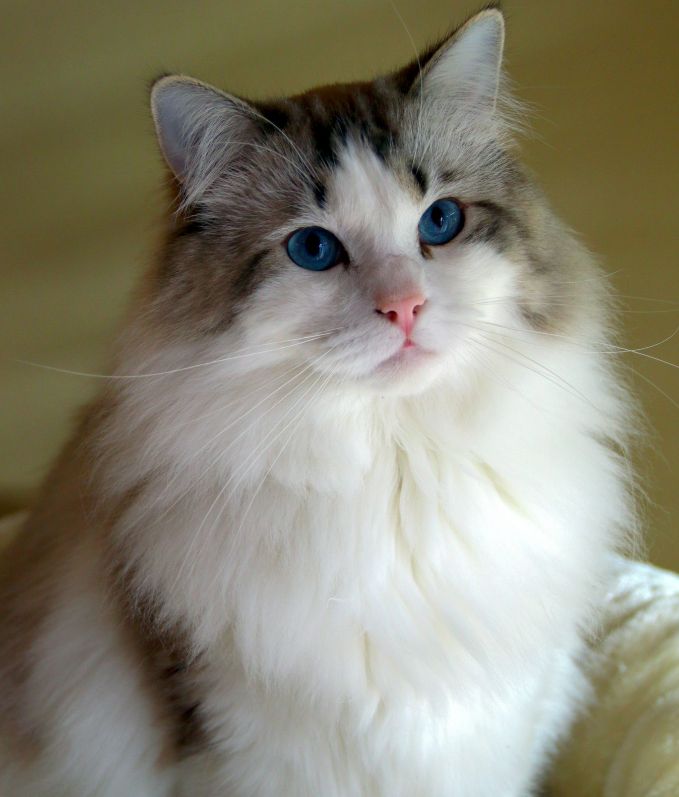
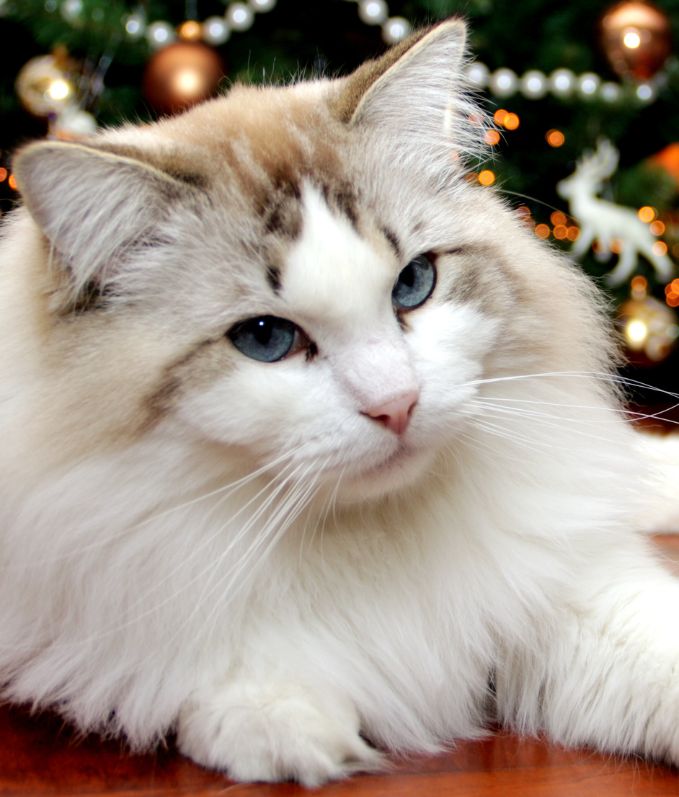
Ragdolls are loved not only for their gentle nature, but also for their beautiful and diverse colors. This cat breed comes in an array of colors that highlight their unique beauty. The most common colors are seal, blue, chocolate, lilac, red and cream, with each color having its own charm.   

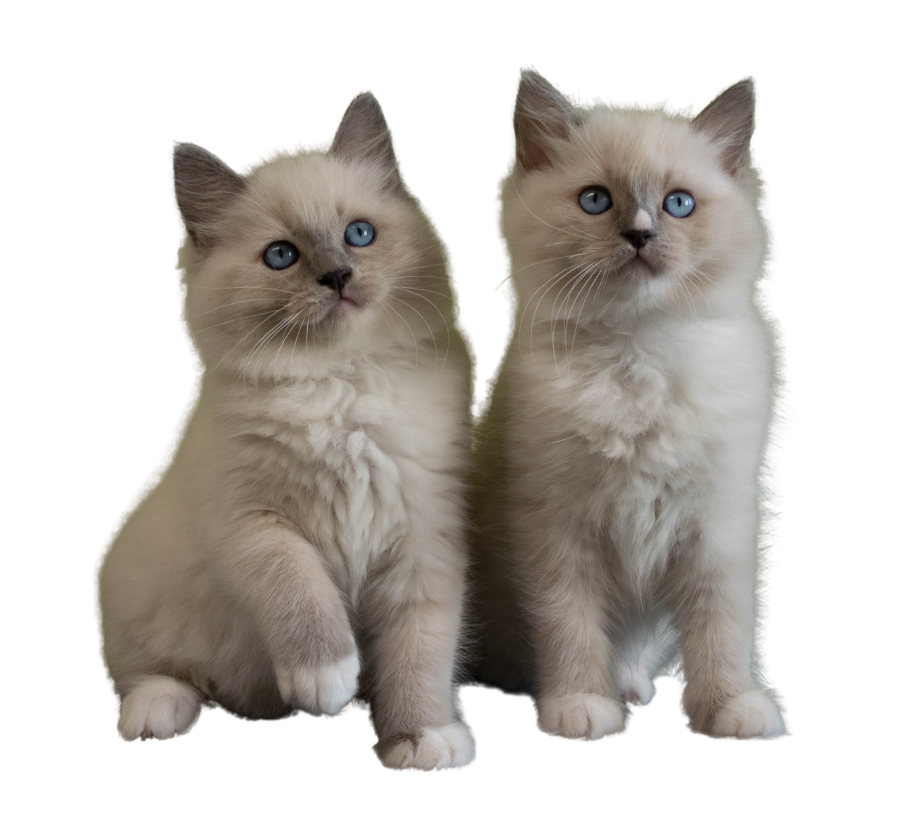
Ragdolls often have a distinctive colorpoint pattern, where the ends of the paws, tail and face are darker than the rest of the body. This Siamese Colorpoint breed, is born white and has brilliant blue eyes, even in later life. A Ragdoll needs about three years to fully grow out and develop its color. During this time, they gradually develop their beautiful coat and striking colors to their full glory.

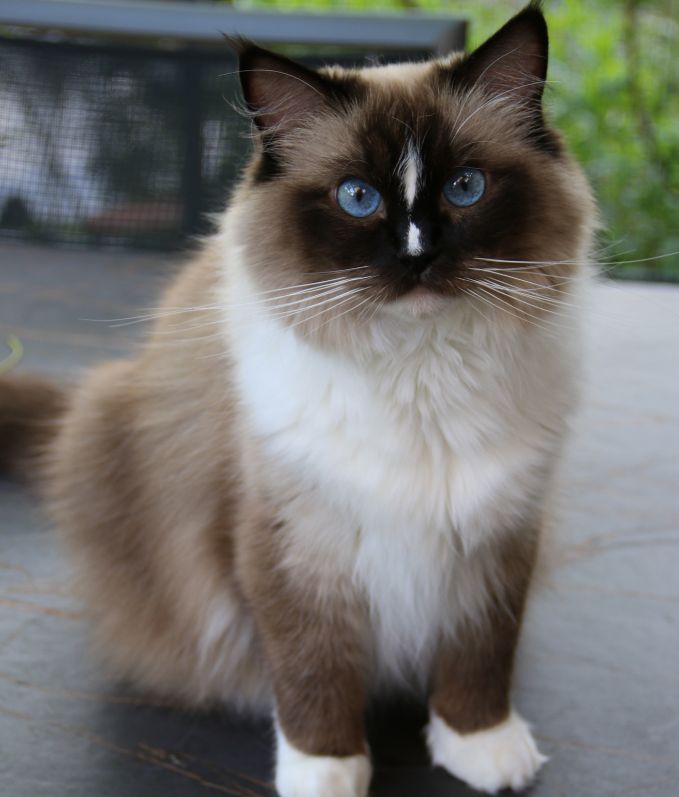
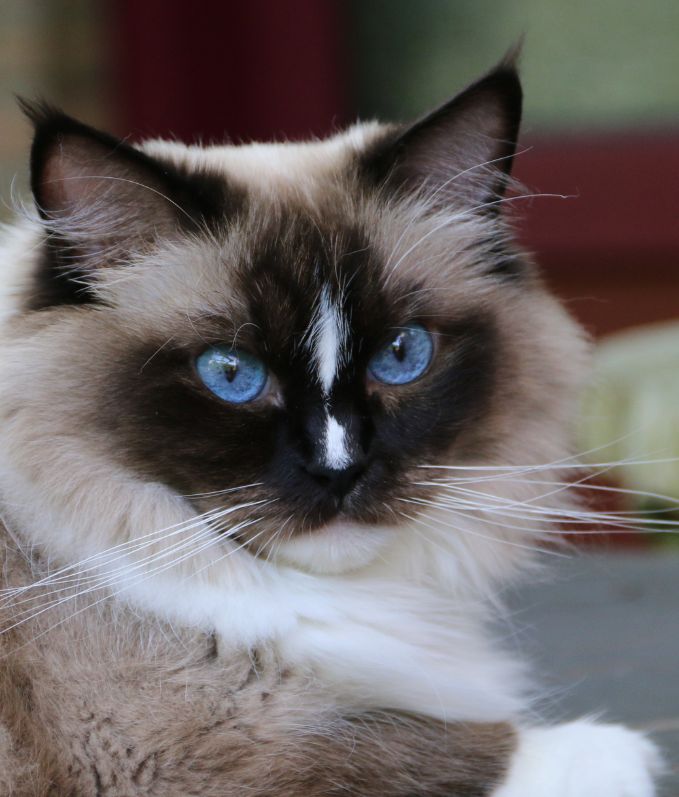
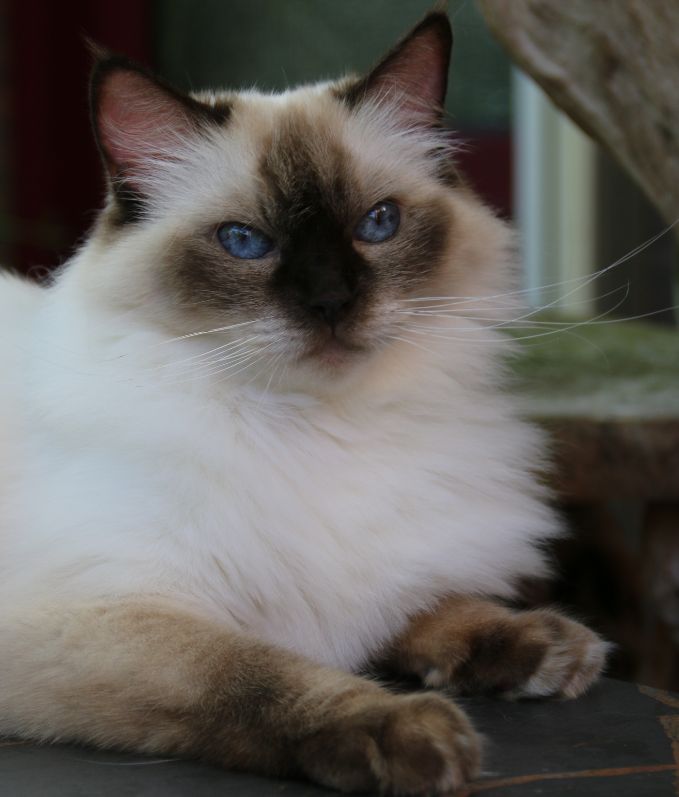
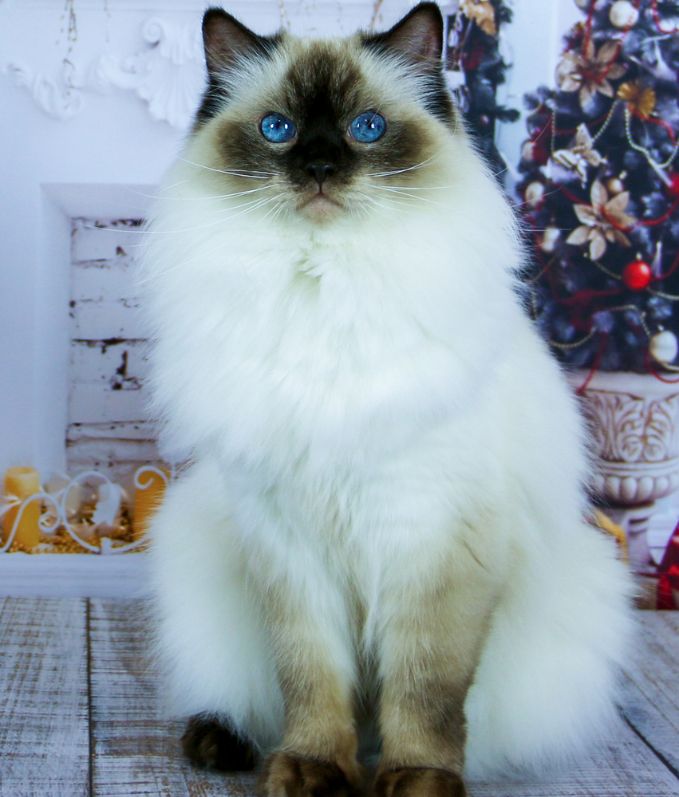
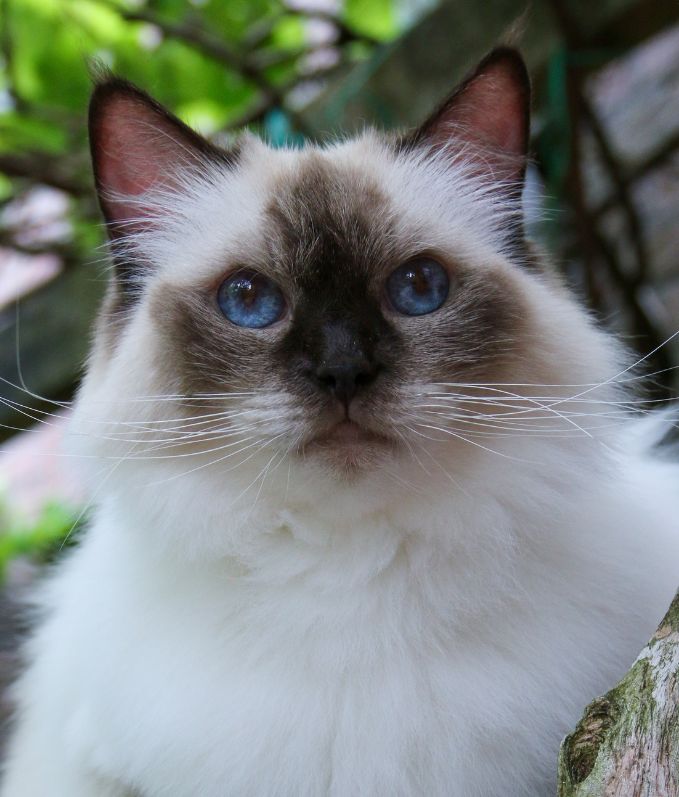
Seal

The color seal in Ragdolls is a deep, warm shade known for its rich, dark brown to almost black  tones. While “seal” may bring to mind pure black, in Ragdolls it is more of an intense dark brown color.

Points:

  • The seal color refers to the rich, dark color that resembles a deep brown or almost black. This color is most pronounced on the points of the body, including the ears, face, legs and tail.


Body color:

  • The body of a seal Ragdoll is usually slightly lighter in color. This color can vary depending on age and the individual cat.
  • As Ragdolls age, they will discolor somewhat, and the contrasts between the points and the body may become less pronounced, especially if they live in a warmer environment.

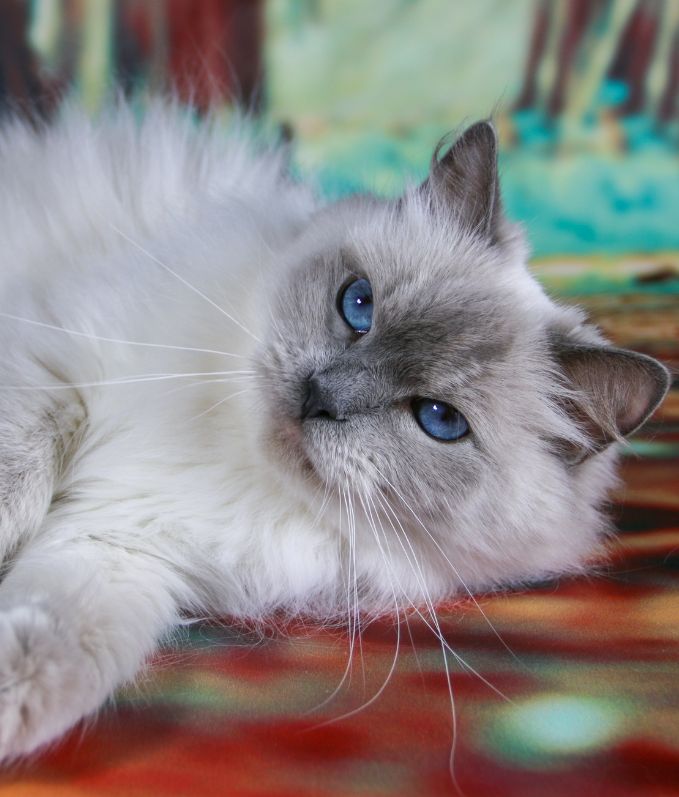
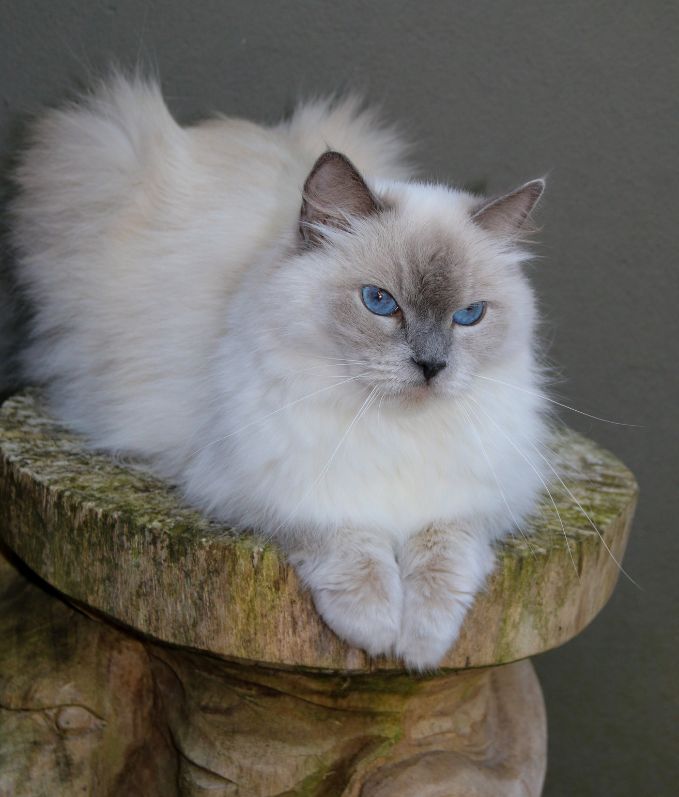
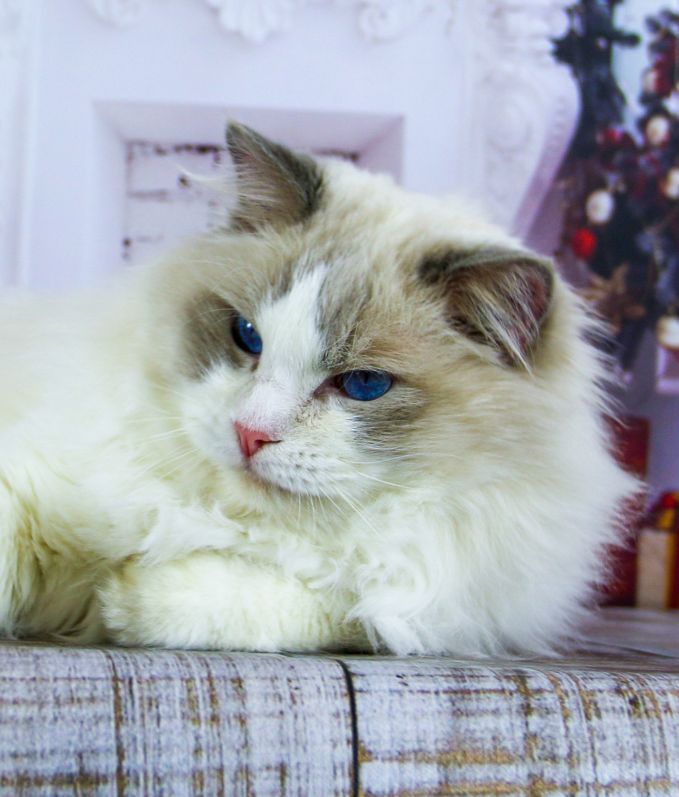
Blue

The color blue in Ragdolls is a sophisticated, cool color known for its soft, silver-gray tones. Although “blue” may bring to mind a bright blue color, Ragdolls are actually a gray color that has a slight, bluish glow.

Points:

  • The blue color refers to a soft, silvery gray hue that often has a slight blue undertone. The color is strongest on the cat’s “points”: the ears, face, paws and tail.

Body color:

  • The body of a blue Ragdoll is usually a lot lighter than the points and ranges from an almost white to a light gray hue. The transition between the body color and the points is smooth but distinctive.
  • The body color may become darker as the cat ages, or if the cat lives in a colder environment.

Chocolate

The color chocolate in Ragdolls is a soft, warm color known for its milk chocolate-like tones. While “chocolate” may bring to mind a deep, dark brown, in Ragdolls it is more of a lighter, creamy chestnut brown with warm undertones.

Points

  • The points on a chocolate Ragdoll have a milk chocolate brown hue. This color is more subtle and lighter than the more intense seal color, giving the points a warm, soft look. The chocolate color appears on the ears, face mask, legs and tail.


Body color

  • The body of a chocolate Ragdoll is usually a soft ivory or cream color, which is lighter than the points. This body color often has a warm, light glow that contrasts nicely with the chocolate points.
  • The body color may darken subtly with age, sometimes taking on a slightly more intense color in cooler climates, but usually retains its light, creamy hue

Lilac

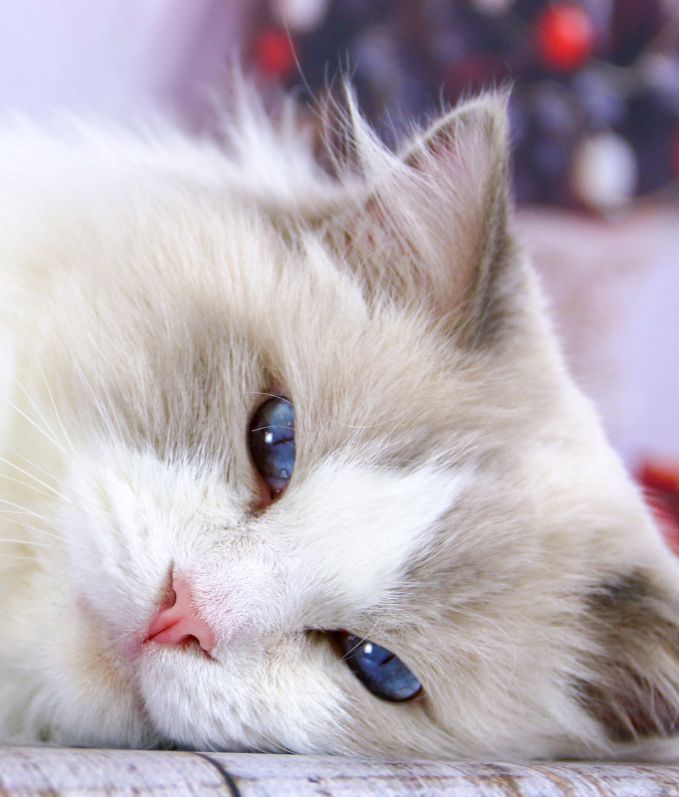
The color lilac is a diluted version of chocolate. It has a soft, icy gray-pink hue. The coat is light and cool-toned. Lilac Ragdolls have a lighter body color with slightly darker points.

Points:

  • The points in a lilac Ragdoll have a soft, cool gray color with an almost lavender or pinkish undertone. This hue is much lighter and softer than traditional blue points and has a pastel-like hue. The lilac color is visible on typical points such as the ears, face mask, paws and tail, contrasting subtly with the lighter body.

Body color:

  • The body of a lilac Ragdoll has a very light, magnolia-like hue, often described as ivory or very light cream. This color is almost white, but with a warm glow that blends harmoniously with the softer lilac points.
  • Unlike some other colors, the contrast between the lilac points and the lighter body color often remains more subtle and consistent, without becoming sharply darker with time.

Red

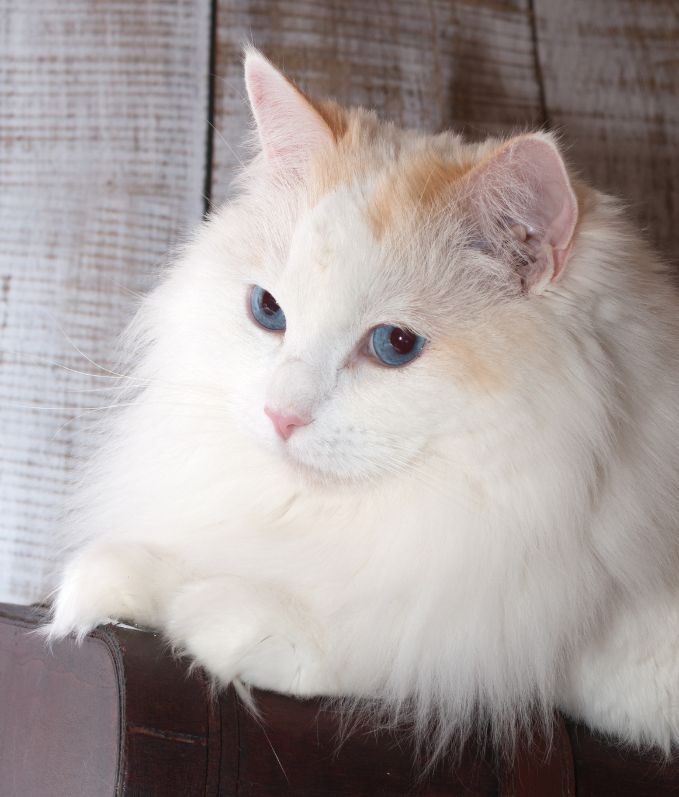
The red Ragdoll is a striking and warm appearance, loved for its vibrant and unique color palette. The red color brings a beautiful, fiery hue that ranges from soft apricot to deep orange. This color variety contrasts beautifully with the lighter, cream-colored body and highlights the vibrant, bright blue eyes that typify all Ragdolls.

Points:

  • The points on a red Ragdoll range from a bright apricot color to a deeper orange hue. This warm color is striking and intense in its own right, with a soft glow that highlights the reddish tones. The red color occurs in the classic places: the ears, face mask, paws and tail.

Body color:

  • The body of a red Ragdoll is usually a soft cream color or a very light, warm white that blends well with the warmth of the red points. This color offers a subtle contrast, keeping the body very light, which nicely highlights the red tones on the points.
  • As with other Ragdoll colors, the body color may darken slightly as the cat ages.

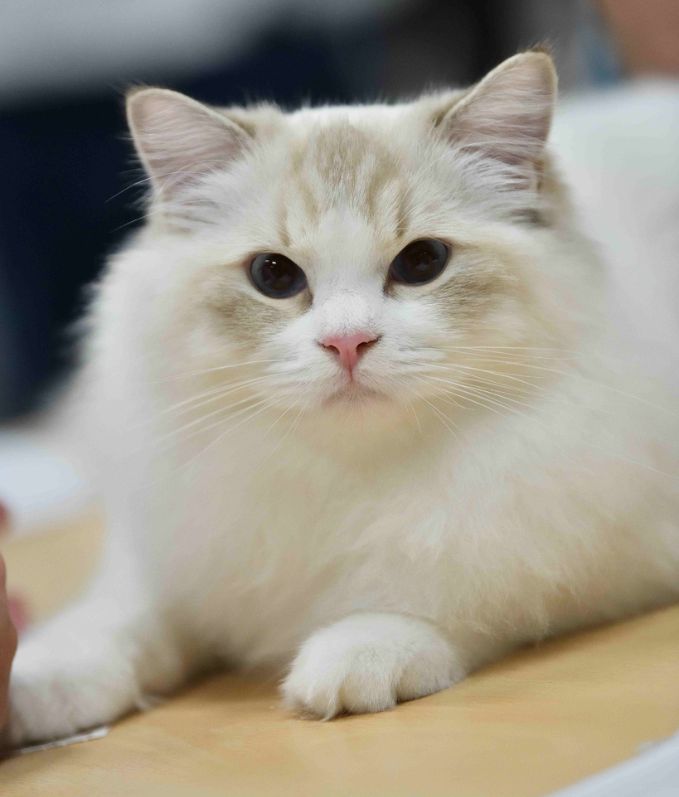
Cream

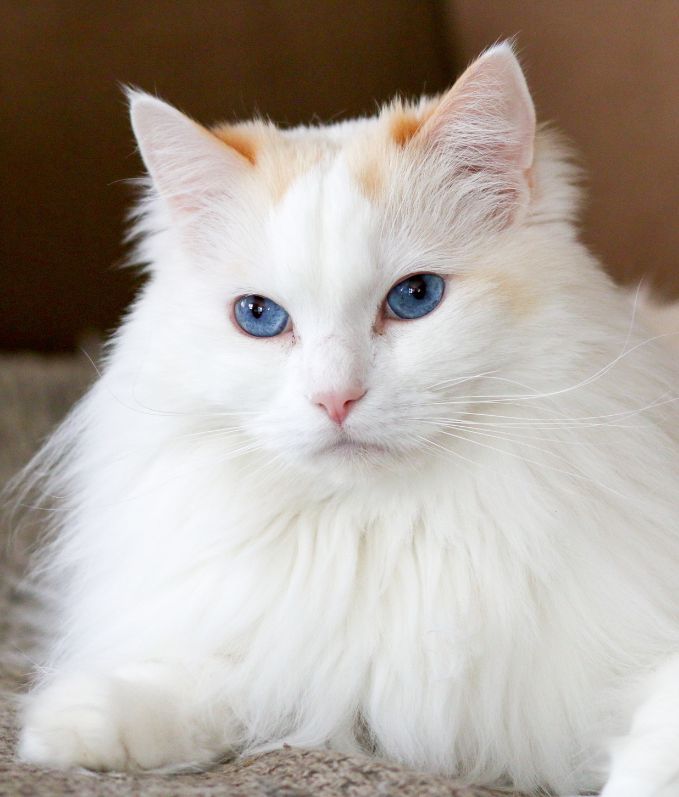
The cream Ragdoll is a rare and soft variety of the Ragdoll with a very light orange color. This gives the cat a delicate and warm look that stands out for its softness and subtle tones.

Points:

  • The points of a cream Ragdoll (ears, muzzle, paws, and tail) have a creamy, pastel hue that can range from a very light orange to a light apricot shade. The points are slightly darker than the rest of the body, making them subtle contrasts with the bright blue eyes.

Body color:

  • The body of a cream Ragdoll is generally lighter than the points and has a soft, almost milky color that ranges from almost white to light cream. The body color has little to no markings, giving a smooth and even appearance typical of the Ragdoll.

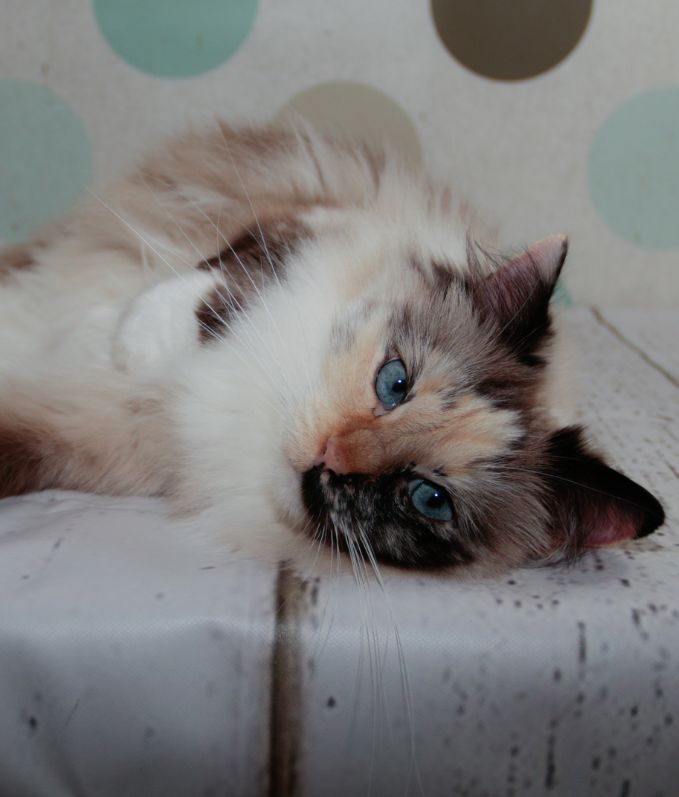
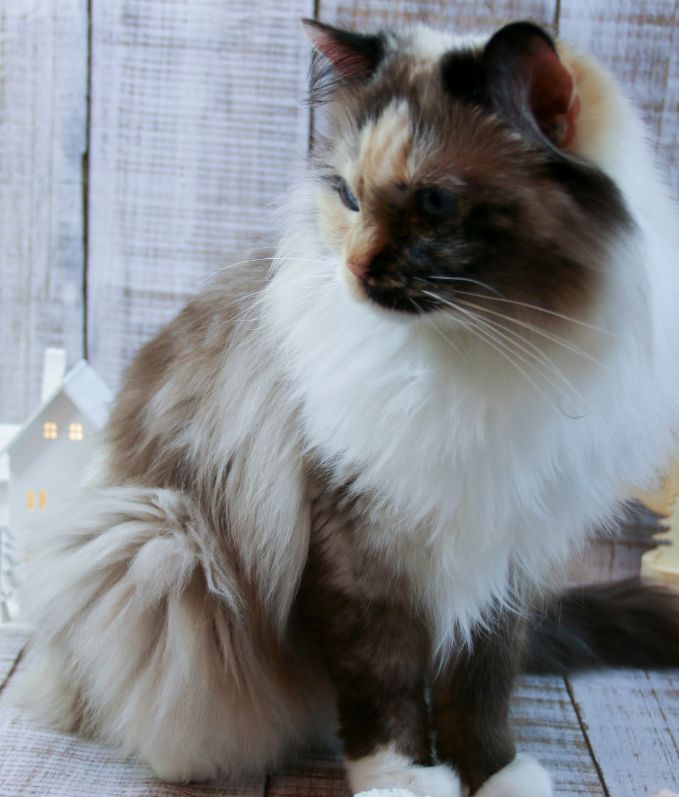
Tortie

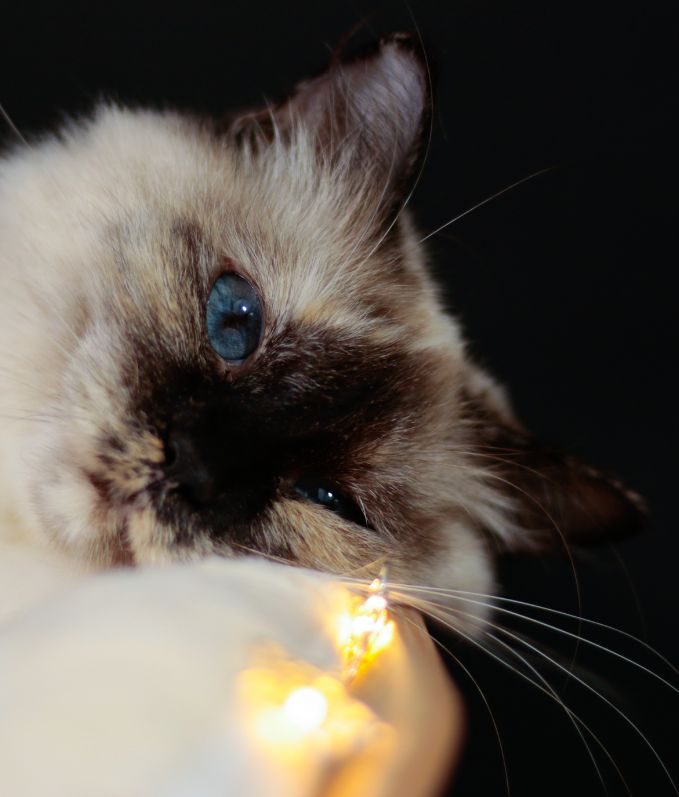
A tortie Ragdoll (short for “tortoiseshell”) is a colorful and unique variety of Ragdoll with a distinctive coat pattern consisting of a mix of different colors. The “tortie” pattern is present only in female Ragdolls because it is genetically linked to the X chromosome. Tortie Ragdolls have a vibrant mix of colors such as:

  • Seal tortie with a mix of the colors Seal and Red
  • Blue tortie with the mix of the colors Blue and Cream
  • Chocolate tortie with the mix of the colors Chocolate and Red
  • Lilac tortie with the mix of the colors Lilac and Cream

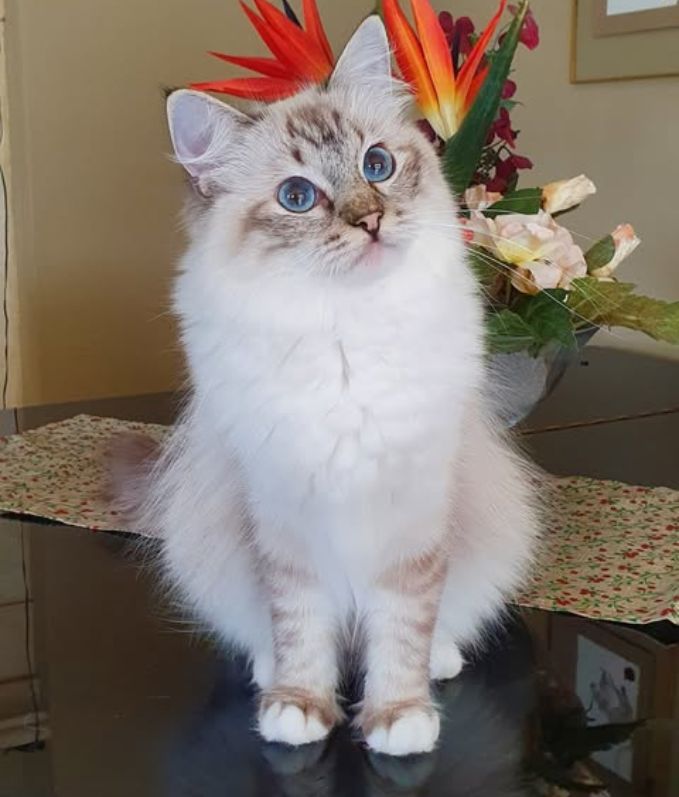
Tabby

A tabby Ragdoll (also called “lynx Ragdoll”) has a distinctive and recognizable pattern of stripes similar to that of wild cats such as the lynx, hence the name. This pattern adds extra texture and depth to the Ragdoll’s coat and occurs in combination with different colors (e.g. seal tabby, blue tabby…). Tabby Ragdolls retain classic Ragdoll characteristics, such as the calm temperament and bright blue eyes, combined with their unique striped appearance.

Award-win-icon
0 +

Jaren ervaring met fokken

happy-clients-icon
0

Leden

Professional-vets-icon
0 +

Jaren actief

protection-icon
0

Landen vertegenwoordigd

De Belgian Ragdoll Club een warme community vol kennis, activiteiten en ondersteuning voor jou en je Ragdoll.

Belgian Ragdoll Club
Privacy Overview

This website uses cookies so that we can provide you with the best user experience possible. Cookie information is stored in your browser and performs functions such as recognising you when you return to our website and helping our team to understand which sections of the website you find most interesting and useful.